The Feedback Trap: Why Good Work is not Enough
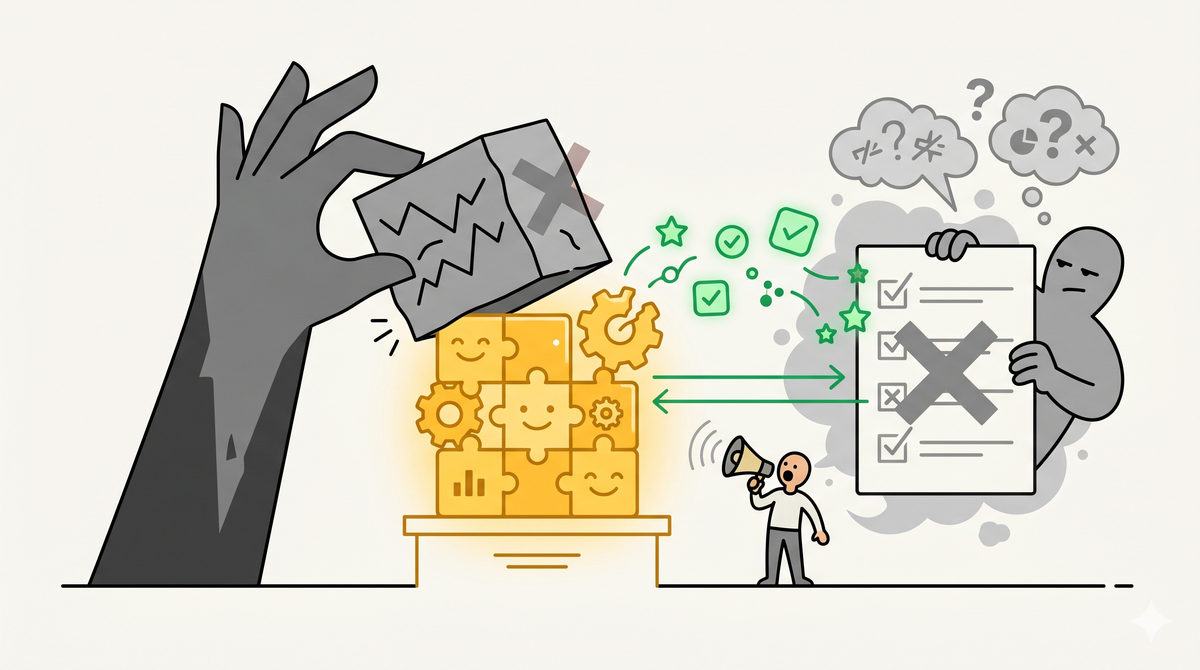
I do not know if I am getting too old or if it just took too long to hit me, but your career, and sometimes your life, often depends entirely on third parties.
It does not matter how good you are at what you do. It does not matter how much effort or passion you pour into the work. Your job, your professional reputation, and in some cases, even your right to stay in a country, depends on what other people say about you.
Let's face it: no matter the size of the organization, there are assholes everywhere. There are the "my way or the highway" types who insist on the wrong path. There are those who make a decision, watch it backfire, and immediately look for someone else to blame. And then there are the ones who agree on a plan, find it no longer convenient, and claim the conversation never happened.
Here are two stories from my time in the trenches.
The Partner thought I was a liability
During my consulting journey, I was part of an AI implementation for a major banking client in the Netherlands. I was leading the go live path. One day in, I realized I was the only engineer handling the CI/CD setup, which used a heavily customized toolset. The agreement was that the client would provide support and resources to push this forward, which was not really happening, two engineers in the team were answering questions and pointing me to other engineers outside of our team, which was not really the support I needed.
I raised the concern immediately. They appointed someone... after a lot of nagging... A WEEK LATER. That gave me four days to deliver. To make matters worse, that person was split across three other projects and had zero time for mine. I raised the issue again, it was not working. The sprint was ending, and we were nowhere near our commitment in terms of DevOps automation, I was told "it's not important right now".
Naturally, things spilled. I delivered only what I could build solo by digging through outdated wikis and interviewing client engineers. Despite the effort, I was roasted. I was called a "liability" to the project and demoted from team lead to "just do what you are told". The feedback was brutal even though it "wasn't important right now", it turned out it was.
The Principal was OK... or not...
I was on a project in Saudi Arabia. The workweek was Sunday to Thursday. This was a problem: Sundays are for Church and my daughters' tutoring. I tried to reschedule, but there was no availability. I was also returning to work after a surgery to fix my sleep apnea and had follow up medical appointments already lined up.
I laid this all out to the Principal at the start. He told me, "That is okay. I am very hands off; only inform me about the important and urgent stuff".
So, I did exactly that. I aligned with the client on my Friday/Sunday schedule and my medical absences. It was smooth sailing. Everything was on track, deliverables were ahead of schedule.
Three weeks later, he called me into a video call to complain. Apparently, I was "unreachable" on Sundays and going to the doctor "too much". Everything we agreed on at the start had seemingly been erased from his memory. The feedback for that project was horrible.
The Result
Despite having outstanding feedback from other projects during that cycle, the damage was done. Even with screenshots and meeting transcripts provided to my Career Advisor, the narrative had set in.
In the first project, success was dependent on staffing decisions made by others. They failed to staff a DevOps specialist because "every engineer from the client knew their stack back to back" and then ignored the issue because someone else decided "it wasn't important", and somehow, that became my failure. In the second, an explicit agreement on ways of working was treated like it never existed.
The Lesson
I always believed in the Cal Newport philosophy: Be so good they can't ignore you. I thought "good work speaks for itself".
That works to an extent, but in the corporate world, the loudest often outweighs the best. You can be the best engineer in the room, keep the clients happy, and orchestrate the team perfectly. But if you do not tell anyone, it is like it never happened. No one is going to do the PR work for you.
After these experiences, I have started becoming much louder about my work. I send the signals early and often. That way, when the formal feedback cycle comes around, if the report is not aligned with the reality I have already documented, everyone knows exactly where the bullshit is.
My promotions depended on feedback, and that feedback was in the hands of people who did not always tell the truth. Do not leave your narrative in the hands of third parties.
If you like what you've read so far or resonate with my opinions, subscribe to my mailing list, it's free and you'll get all my writings twice a month on your inbox.